
Getting Started
Group vs. Individual Benefits
Both types of coverage help pay for health, dental, and life insurance. The main difference is who arranges the plan and who owns it. Here is the simple version.
The two options
Where your coverage comes from

One plan, arranged for a whole team
Group benefits are arranged by an employer or organization for everyone it covers. You get coverage because of where you work or the group you belong to.
- Arranged by your employer or organization
- Cost is often shared between employer and employee
- Usually no medical questions to join
- Coverage normally ends when you leave the group

A plan you own, on your own terms
Individual benefits are a policy you apply for and own yourself. You choose the coverage, and the plan stays with you no matter where you work.
- You apply for and own the policy
- You choose the coverage that suits you
- A health review is usually required
- Coverage stays with you if you change jobs or retire
At a glance
Key differences side by side
| Group | Individual | |
|---|---|---|
| Who arranges it | Your employer or organization sets up the plan. | You apply for the plan yourself. |
| Who owns it | The group owns the plan and you are a member of it. | You own the policy personally. |
| Typical cost | Often shared between your employer and you. | You pay the full premium. |
| Medical questions | Usually none, or very limited, to join. | A health review is usually required. |
| If you leave the group | Coverage normally ends, though you may have a short window to convert it. | Coverage stays with you as long as you keep paying. |
| Adding family | A spouse and children can usually be added. | A spouse and children can be added to your policy. |
| A good fit when | Benefits are offered where you work or through an organization. | You are self-employed, between jobs, retiring, or want coverage you control. |

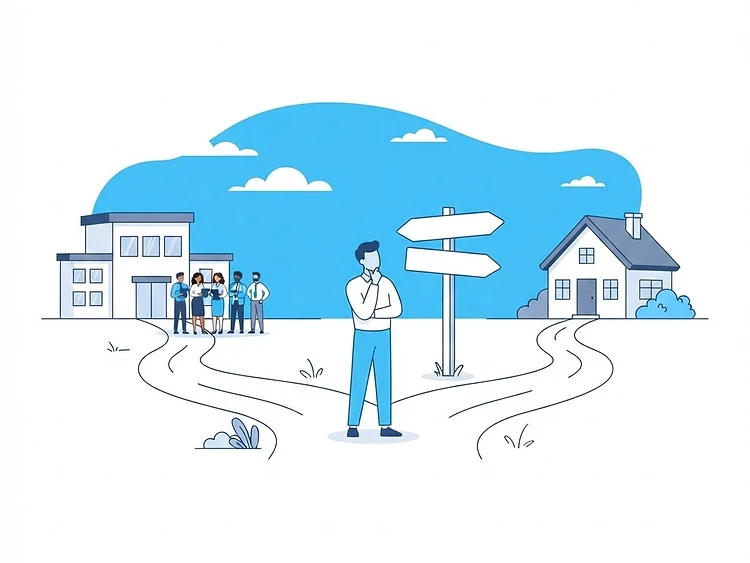
Which one is right for you?
Start with where you are today
There is no single correct answer. Most people build coverage around their situation, and it can change as life does.
- You work for an employer with benefitsYour group plan is usually the starting point. Individual coverage can top up what the group plan does not cover.
- You are self-employed or have no work benefitsIndividual benefits are the way to go. You choose the coverage and pay the premium yourself.
- You are leaving a job or retiringGroup coverage normally ends when you leave. Individual coverage keeps you protected through the change.
- You want coverage that follows youAn individual policy stays with you no matter where you work or how often your situation changes.
- You have a family to protectBoth types let you add a spouse and children. Comparing the cost and coverage of each is the best first step.
Still not sure which one fits?
Book a no-obligation consultation and we'll walk you through your options.
Book a Consultation